
FABAG slams PURC over tariff rise, calls for audit of ECG, GWCL
News
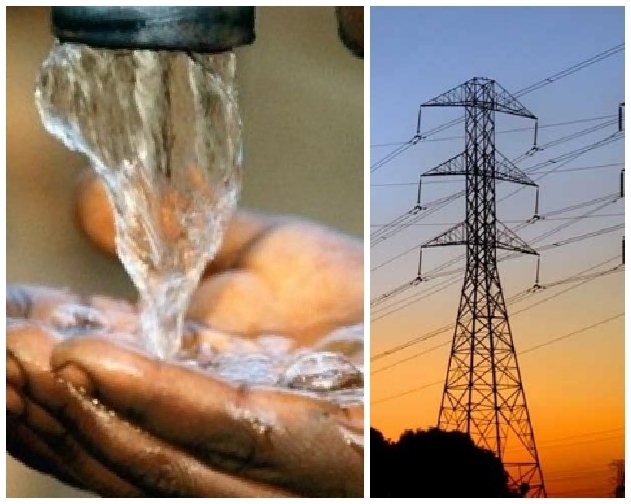 Ghana Water limited, Electricity Company of Ghana
The Food and Beverages Association of Ghana (FABAG) has demanded an immediate reversal of the newly announced utility tariff adjustments, warning that enforcing the increases without addressing long-standing structural failures will worsen Ghana’s economic difficulties.
In a statement released on December 8, the association strongly opposed the Public Utilities Regulatory Commission’s (PURC) decision to raise electricity tariffs by 9.8 percent and water tariffs by 15.9 percent. FABAG described the move as “unreasonable, unjustified, and out of touch with the realities businesses face.”
According to the group, the tariff hikes cannot be defended when the Electricity Company of Ghana (ECG) has yet to explain how it plans to resolve what FABAG calls entrenched inefficiency, waste, and poor management. It said findings by the Public Accounts Committee show the depth of ECG’s failings and questioned why the PURC appears to ignore them.
FABAG argued that ECG, an institution meant to support national development, has instead become a major source of economic strain, eroding productivity and confidence across multiple sectors. It cited chronic operational weaknesses, mounting losses, corruption, poor work culture, weak revenue collection and substandard service delivery as the real issues crippling the utility sector. Yet, it said, consumers continue to bear the cost through repeated tariff increases.
Businesses, the association stressed, cannot continue to fund what it describes as mismanagement within ECG and the Ghana Water Company. It also criticised the sharp contrast between utility hikes and public-sector salary adjustments, saying it is unfair for government to raise wages by 9 percent while allowing utilities to go up by a combined 25.7 percent.
The statement also flagged ECG’s unauthorised budget excess of GH¢189.2 million and demanded clarity on who approved the expenditure. FABAG called for transparency in procurement, questioning how ECG’s spending rose from under GH¢1 billion to more than GH¢8.3 billion in 2023. It further highlighted the company’s technical and commercial losses—now above 30 percent—and noted that ECG is “among the poorest performers on the continent” in this regard.
FABAG said it has not seen any credible roadmap to reduce these losses.
The group warned that the latest tariff review will put additional pressure on already struggling businesses, forcing some to shut down, lay off workers or raise prices. It noted that the increases will feed into food inflation, given how heavily the industry relies on electricity and water to produce, store and distribute goods.
The association lamented the absence of accountability systems that would push the utilities to curb losses, improve service quality or reduce theft. It stressed that customers should not be paying for institutional failings, especially when ECG has not provided transparent operational audits.
According to FABAG, higher tariffs will inevitably push up the prices of goods, deepen the cost-of-living crisis and weaken a sector that plays a major role in employment and national revenue.
The association insisted that raising tariffs cannot resolve the deep-rooted problems in the utility system, arguing that “Ghana cannot rely on endless tariff increases to rescue the power and water sectors.” The real solution, it said, lies in reforms, digitisation, accountability and improved revenue practices.
FABAG is calling for an immediate halt to the tariff adjustments, a comprehensive and publicly released operational audit of ECG and the Ghana Water Company, a clear programme to cut losses, strict action against internal theft and illegal connections, and a cost-recovery approach driven by efficiency rather than repeated hikes.
The association reaffirmed its commitment to protecting the interests of businesses and consumers, insisting that Ghanaians deserve a utility sector that functions properly instead of one that survives by burdening the public.


Trending News
Vice President chairs Inter-Ministerial Committee meeting on decentralisation
03:57
Classfmonline.com apologises to MIFF CEO
07:43
Honorary degree misuse: GTEC bans unaccredited bodies, warn universities
10:59
Dzodze-Penyi SHS Headmaster asked to step aside over alleged sexual misconduct
07:18
Minority warns of crisis in fishing communities, calls for urgent government action
11:01
W/R: Salman community accuses Adamus mining of neglect, threatens protest over unfulfilled promises
10:45
Ministers’ Wives Association of Assemblies of God pays courtesy call on First Lady
03:50
Graduate nurses and midwives gear up for protest over 5-year unemployment stall
07:31
Sam George supports 127 constituents with business tools and funding
09:53
Ofankor–Nsawam: Roads Ministry announces new traffic diversion for asphalt works
06:54
