
IEAG rejects claim that Ghana’s ports are conduits for substandard electrical cables
Business
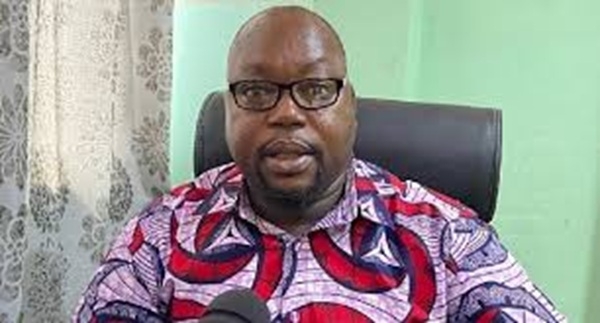 Samson Asaki Awingobit
The Importers and Exporters Association of Ghana (IEAG) has rejected claims that Ghana’s ports are being used as conduits for the importation of substandard electrical cables.
The Association was responding to remarks reportedly made by the Board Chairman of the Energy Commission of Ghana, John Garchie Gatsi, suggesting that the country’s ports serve as entry points for inferior electrical products.
In a statement signed by its Executive Secretary, Samson Asaki Awingobit, IEAG expressed concern over the assertion, arguing that it does not accurately reflect the stringent regulatory framework governing imports through Ghana’s ports.
According to the Association, electrical goods imported through the ports are subject to a comprehensive control regime. Products are cleared into approved customs bonded warehouses or designated holding facilities pending inspection, testing and certification by the Ghana Standards Authority, the Customs Division of the Ghana Revenue Authority, and in coordination with the Ghana Ports and Harbours Authority.
IEAG maintained that consignments remain under customs control until conformity assessment procedures are completed and statutory approvals granted, adding that the system represents an effective mechanism for preventing the circulation of substandard cables through formal channels.
While acknowledging the serious risks posed by inferior electrical cables—including fire outbreaks, infrastructure damage and threats to public safety—the Association argued that evidence from industry monitoring suggests a significant proportion of such products enter the domestic market through unapproved routes and porous land borders, bypassing formal inspections and duty payments.
IEAG therefore called for broader enforcement efforts targeting high-risk entry points rather than portraying the ports as the primary source of the problem.
The Association also urged the Energy Commission to enhance collaboration with customs and other agencies to strengthen oversight at bonded warehouses.
Suggested measures include rigorous compliance monitoring, improved cargo tracking systems and strict release authorisation procedures to prevent the distribution of goods without formal certification.
IEAG noted that operational improvements in recent years—such as enhanced inspections, risk profiling and inter-agency coordination—have led to a reduction in non-compliant electrical cables detected through formal port channels.
Describing the influx of substandard cables as a major national concern, the Association highlighted its implications for public safety, revenue loss due to smuggling and unfair competition against compliant importers.
IEAG called for strengthened stakeholder engagement to address enforcement gaps across the supply chain, emphasising that policy reforms should focus on improving and optimising existing systems rather than creating perceptions that Ghana’s ports are a breeding ground for substandard imports.
The Association reaffirmed its commitment to working with regulators to safeguard lives, protect government revenue and promote responsible trade practices
Source: Classfmonline.com/Cecil Mensah


Trending Business
Ghana Free Zones Authority trains 29 newly licensed companies
10:05
Maiden AGROTECH Fair 2026 to showcase Ghana’s agricultural technology and drive agro-industrial growth
13:25
VADUG applauds 15% vehicle price cut, cites cedi stability
23:19
ATM use drops sharply as mobile money dominates banking in Ghana
08:51
Mahama Appoints Bondzie to lead Energy Commission
20:52
GIPC CEO Visits Kane-EM Industries to strengthen support for local manufacturing
03:42
Treasury Bill auction oversubscribed by 253% as investors submit ¢22.67b in bids
20:21
NEIP, Venture Capital eyes dedicated 'Adwumawura' fund for beneficiaries
03:36
BOST Energies bids farewell to Bondzie, welcomes Acheampong as new Deputy MD
20:44
MoFA signs MoU with Fauree Link to expand digital agricultural finance
18:31
