
Stop letting Maths and Science decide Ghana’s future
Feature Article
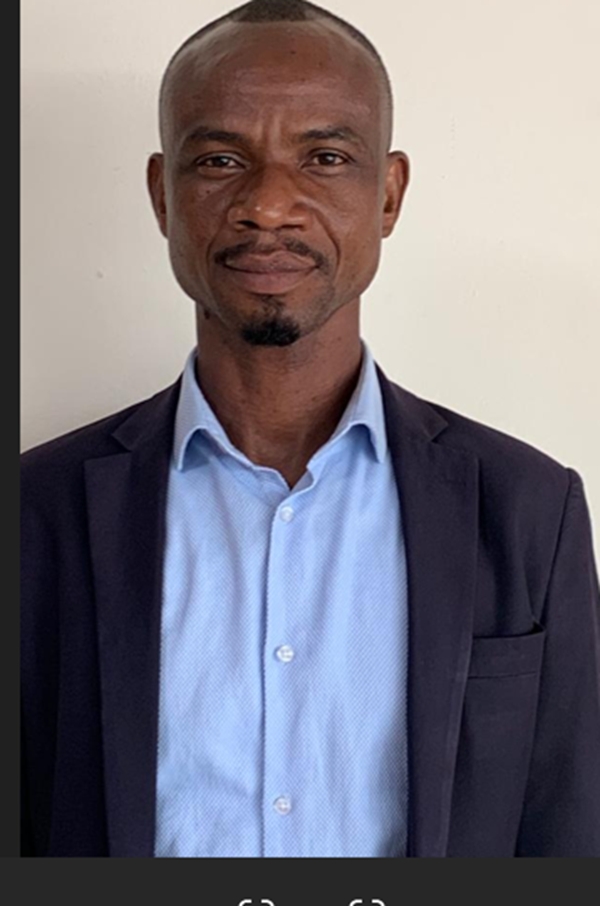 Gordon Desmond Sackitey
For decades, Ghana has invested heavily in improving access to education, expanding school infrastructure, and promoting STEM as a national priority.
These efforts are laudable.
But beneath these achievements lies a persistent and damaging flaw in our system—we continue to judge the potential of young people almost entirely through their performance in Mathematics and Science.
This narrow approach has left countless students discouraged, sidelined, and denied opportunities—not because they lack intelligence or ambition, but because their strengths lie outside two subjects that have become gatekeepers to progress.
The Cost of a One-Dimensional System
From the BECE to the WASSCE and even tertiary admissions, the message is unmistakable:
struggle in Maths or Science, and your options shrink dramatically.
Yet the country is full of bright young people whose gifts appear in many forms. Some excel in:
• creative arts and media,
• sports and physical development,
• technical and vocational skills,
• leadership, communication, and entrepreneurship.
These are not “lesser” talents.
They are essential to building a balanced, competitive, and culturally vibrant nation.
But our exam-driven system often dismisses these abilities as secondary, forcing students into academic tracks that do not match their strengths.
The result is predictable: frustration, declining confidence, and abandoned dreams. Many brilliant young Ghanaians end up believing they are “failures” simply because they could not master algebra or physics.
When Potential Is Restricted, the Nation Suffers
Ghana’s overemphasis on two subjects has wider consequences. While we champion STEM, we risk ignoring the creative industries that drive global influence, the artisans and technicians who power local economies, and the storytellers, designers, and communicators who shape culture and innovation.
Every time a student with exceptional talent in music, film, design, carpentry, culinary arts, or athletics is denied advancement due to a poor Maths grade, the country loses—not just the individual.
Rethinking What Counts as Excellence
A modern education system must recognise that intelligence is diverse. Nations that thrive in today’s economy—whether in technology, sports, entertainment, tourism, or manufacturing—do so by unlocking talent in every field.
Ghana cannot afford to keep pushing young people through the same narrow academic path and expecting broad national development.
What Needs to Change
To build a system that truly supports national growth, we must:
1. Broaden tertiary admission pathways to include portfolios, auditions, interviews, and practical assessments—not just exam results.
2. Invest in technical, vocational, and creative programmes, treating them as first-choice options rather than fallback plans.
3. Introduce clearer career pathways at the SHS level, allowing students to pursue areas aligned with their strengths.
4. Reduce the over-centrality of BECE and WASSCE, ensuring exams guide learning rather than dictate futures.
5. Strengthen guidance and counselling units so students can identify their talents early and pursue careers with confidence.
The Way Forward
Ghana is brimming with young people who are gifted in ways our current system barely recognises.
If we continue to measure success only through Maths and Science, we will keep stifling the very creativity, innovation, and diversity needed to transform our economy.
Exams should open doors—not close them.
Talent should be nurtured—not sidelined.
And the future of a child should never depend on two subjects alone.
It is time for Ghana to adopt an education system that identifies, values, and develops every form of potential. Our national progress depends on it.


Trending Features

Resetting Ghana - One year in restrospect
19:45
Full text of GJA President's statement on assault of CMG journalist
05:14
Health creation, not health repair: Why 2026 must be Ghana’s year of preventive care
05:41
Obuobia Darko-Opoku: 5 years of empowering young women through “Under Tree Meetings”
14:10
Seidu Agongo writes: Power, dust, and the parable of Ken Ofori-Atta on ICE
08:35