

BoG directs banks to lower NPL ratio to 10% by end of 2026
Business
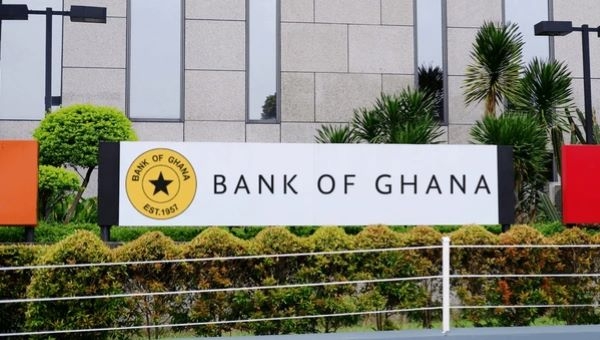 Bank of Ghana
The Bank of Ghana has directed banks to reduce their non-performing loan (NPL) ratios to the prudential limit of 10 percent by the end of December 2026.
Governor of the Bank of Ghana, Dr Johnson Pandit Asiama, says the directive forms part of efforts to strengthen asset quality, improve risk management and ensure the banking sector remains resilient despite recent economic recovery.
Speaking at the Annual General Meeting of the Ghana Association of Banks, Dr Asiama said the NPL ratio had declined from 20.7% in August 2025 to about 18.7% as of August 2026.
He said banks must now intensify efforts to prevent, manage, recover and resolve problem loans.
“Let me use this opportunity to remind all banks of the requirement to reduce their NPL ratios to the prudential limit of 10% by the end of December,” he stated.
Dr Asiama further said the increasing regulatory attention to non-performing loans represents a shift from simply provisioning for problem loans to ensuring that banks actively address the underlying risks.
“The increasing regulatory attention to NPLs therefore represents a shift from simply provisioning for problem loans to ensuring that banks actively prevent, manage, recover, and resolve problem loans,” he added.
The Governor also disclosed that total banking sector assets increased by 20.4 percent to GH¢500.2 billion as of August 2026 from GH¢415 billion a year earlier.
He said the sector’s capital adequacy ratio had also improved from 18.3% to 19.1%, well above the regulatory minimum of 13%.
According to Dr Asiama, all 23 banks have now met the regulatory capital requirements but cautioned that restoring capital is only the beginning.
He urged banks to maintain capital levels that are commensurate with their risk profiles and build adequate buffers against future shocks.
Meanwhile, Chief Executive Officer of the Ghana Association of Banks, John Awuah, has called for stronger risk management as the banking sector moves from recovery towards transformation.
Mr Awuah said the industry had responded positively to recent economic difficulties with stronger balance sheets, improved capital positions, resilient profitability, and continued growth in deposits and customer loans.
He, however, said banks must not become complacent with the gains made.
“The question before us, therefore, is no longer simply whether the banking industry has recovered from the difficulties of recent years. The more important question is, what do we do with the stability we obtain?” he said.
The CEO said the changing economic environment requires banks to rethink their business models as inflation and interest rates decline.
He also identified asset quality, fraud, cybersecurity, technology, fintechs and Artificial Intelligence as some of the emerging challenges requiring greater attention from the industry.
He challenged the banking sector to move beyond stability and deliberately build a resilient, inclusive and future-ready industry.


Trending Business

GIPA targets northern Ghana with investment roadshow ahead of 2026 Invest Ghana Summit
11:59
BoG Governor urges banks to strengthen risk management, build resilience
06:35
Ghana seeks long-term mining partnerships that benefit local communities – Lands Minister
15:59
COCOBOD launches GH¢16.3bn domestic cocoa financing programme
00:09
Petrol, diesel prices to dip slightly from October 16 as LPG rises 18.5%
19:35
20% tax on Spotify, Netflix, TikTok, ChatGPT, others completely false! - GRA clarifies
13:16
Govt to charge 20% tax on TikTok, ChatGPT, Netflix etal beginning from Oct. 15
11:36
GoldBod terminates US$1 billion Goldstream deal - APL discloses
14:52
Moody’s upgrades Ghana’s credit rating to B3, changes outlook to stable
03:21
BoG Director urges African central banks to balance innovation with strong regulation in payment systems
15:35