
Ginger prices to remain high for 2 years, expert warns
Business
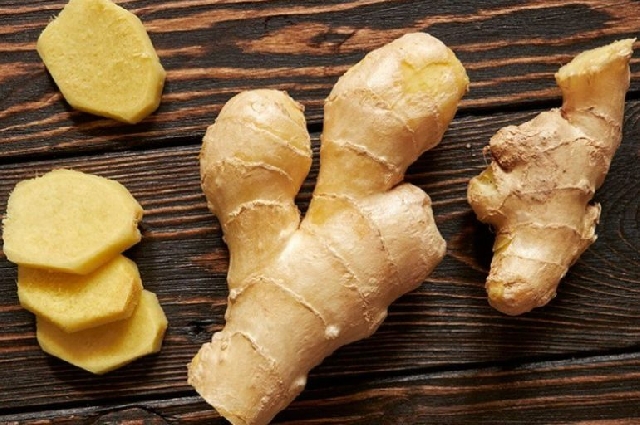 Ginger
Consumers and traders across Ghana have been warned that the current high prices of ginger are likely to persist for at least the next two years.
The projections come amid a severe domestic shortfall and escalating market costs that are impacting household budgets, local food vendors, and commercial processors nationwide.
Supply Deficits Drive Unprecedented Price Hikes
Market data indicates that a substantial drop in local supply has driven the cost of the commodity to unprecedented levels. In regional markets such as Kadjebi in the Oti Region, traders report that a single bag of ginger is now selling for approximately GH¢5,000, making it increasingly difficult for sellers to recover their capital or secure meaningful profit margins.
The scarcity has forced retail traders at major hubs, including the Tema Station in Accra, to completely abandon smaller, affordable sales portions. Instead, consumers are faced with heavily reduced quantities, forcing many to alter their cooking habits or turn to alternative packaged spice options.
Fungal Disease Outbreak At the Root of Scarcity
Agricultural experts and farmers link the prolonged supply crisis directly to a devastating fungal disease outbreak that swept through major cultivation districts nearly three years ago.
The outbreak resulted in massive crop failures, leaving local farmers with severe financial losses.
Agribusiness entrepreneur and founder of Ideal Providence Farms, Georgina Koomson, told Joy FM's morning show, "The ginger producers had a lot of diseases. So it affected the production."
Since the fungal pathogens have not been completely eradicated from the soil, a significant number of commercial growers and young farmers have abandoned ginger cultivation entirely, opting to invest in alternative, less volatile crops.This widespread shift in farming activities has severely hindered domestic production recovery.
Recovery Timeline and Import Reliance
Due to the multi-year growth and cultivation cycles required to safely rehabilitate affected farmlands and re-establish disease-free yields, experts caution that a stabilization of market supply cannot be achieved immediately.
To bridge the substantial local deficit and sustain market demand, some traders have resorted to importing ginger from neighbouring West African nations such as Nigeria and Liberia, as well as from international markets like China.
Stakeholders within the agricultural sector continue to call on the Ministry of Food and Agriculture and national research institutions to step up interventions by providing disease-resistant planting materials to farmers to help accelerate the recovery timeline.
Source: classfmonline.com


Trending Business

Agriculture Minister pledges support for food processing firm to expand operations
22:20
GFL Secretary-General urges patience over implementation of 24-Hour Economy policy
03:42
42 firms express interest in development of proposed Port of Keta after EPA approval
00:30
AMA to begin revenue enforcement exercise against rate defaulters on June 22
23:37
Bank of Ghana assets rise to ¢321.4b in March 2026
01:31
INTERCEM Africa 2026: Trade Minister urges cement firms to use local raw materials
21:53
Ghana International Bank, AfDB sign trade finance deal to boost African commerce
15:25
GOLDBOD secures global support for Ghana's responsible sourcing agenda at LBMA summit in London
15:49
Transport operators threaten 20% fare increase over poor state of Kasoa–Winneba road
02:30
GUTA urges PURC to suspend planned utility tariff increase
02:28