
US sanctions Rwanda's military and top commanders over fighting in DR Congo
World News
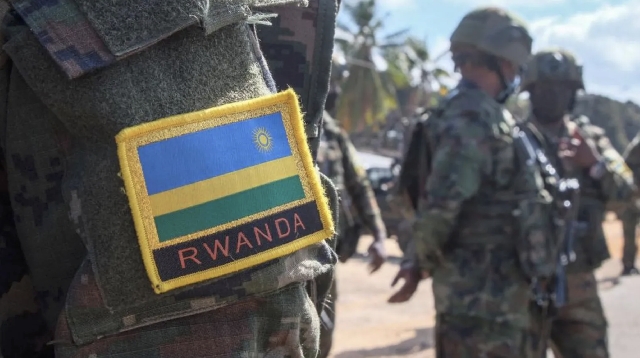 AFP via Getty Images (Pic): The US accuses Rwanda's army of training, arming and fighting alongside the M23 rebels
The US has imposed sanctions on the Rwandan army and four of its senior commanders, accusing them of fuelling the conflict in neighbouring Democratic Republic of the Congo.
Fighting has persisted despite a US-brokered peace deal in December between the Congolese and Rwandan governments aimed at ending the long-running conflict in eastern DR Congo.
The US treasury department accused the Rwandan army of undermining the peace deal by training, equipping and fighting alongside the M23 rebel group.
Rwanda swiftly rejected the accusations, saying the sanctions had unfairly targeted one side and "misrepresent the reality and distort the facts of the conflict".
Kigali denies supporting the M23, despite overwhelming evidence, and says its military presence in the region is a defensive measure against threats posed by armed groups in DR Congo to Rwanda's security.
The sanctions come three months after Congolese President Félix Tshisekedi and his Rwandan counterpart Paul Kagame signed the Washington Accords, aimed at ending hostilities.
The ceremony was hosted by US President Donald Trump, who expressed optimism that it would bring lasting peace and described the signing as "historic".
The M23 rebels were not signatories but have been part of a parallel peace process led by Qatar, a US ally that has strong ties with Rwanda.
Days after the Washington deal, the M23 captured the strategic Congolese city of Uvira, near the border with Burundi, forcing thousands to flee.
The group later withdrew under pressure from the US government.
However, the treasury department said on Monday that the M23's continued presence near Burundi's border "carries the risk of escalating the conflict into a broader regional war".
It said that the rebels' offensives would have been impossible without the "the active support and complicity" of the Rwanda Defence Force (RDF) and key senior officials.
"The RDF has introduced advanced military equipment to the battlefield in eastern DRC, including GPS jamming systems, air defense equipment, drones, and additional materiel," the statement said.
Thousands of Rwandan troops were deployed across eastern DR Congo "where they actively engage in combat operations and facilitate M23's control of territory", it added.
The US expected "the immediate withdrawal of Rwanda Defence Force troops, weapons, and equipment", Treasury Secretary Scott Bessent said.
In a separate statement about the sanctions, US state department spokesman Tommy Pigott said the M23 was "responsible for horrific human rights abuses, including summary executions and violence against civilians, including women and children".
The sanctioned Rwandan officials include army chief of staff Vincent Nyakarundi, Ruki Karusisi, commander of the 5th Infantry Division, Mubarakh Muganga, Rwanda's chief of defence staff and Stanislas Gashugi, head of special operations.
The sanctions freeze any assets held in the US by the RDF or the four officers, and bar US individuals and entities from conducting financial transactions with them.
In response to the US sanctions, Kigali accused DR Congo of violating ceasefire arrangements through "consistent and indiscriminate drone attacks and ground offensives," which it said, "continue to cost many lives".
It also accused the DR Congo government of employing ethnic militias as well as mercenaries.
"Protecting our country is a badge of honour which the Rwanda Defence Force carries very proudly," it added.
The Congolese government expressed its "deep appreciation" to the US and said the sanctions were "a clear signal of support" for the respect of its "sovereignty and territorial integrity".
The Trump administration said it was "prepared to use all available tools" to ensure Rwanda and the DR Congo delivered on their promises.
Trump had hailed the December deal as a way to secure critical minerals from eastern DR Congo - the country has reserves of copper and cobalt, which are used to make batteries for products including mobile phones and electric vehicles.
The mineral-rich east of DR Congo has been dogged by conflict for more than 30 years, since the 1994 Rwandan genocide.
Numerous armed groups have since competed for power and control of a potential fortune.
The latest unrest escalated early last year when the M23 captured Goma, the capital of North Kivu province, on the border with Rwanda.
Source: bbc.com


Trending World
At least 169 people killed in South Sudan 'surprise' attack
00:19
Iran begins 40-day mourning after Khamenei killed in US-Israeli attack
04:29
Kidnapping of foreigners soars in Africa's lawless Sahel region
04:04
'It's eerie' - Dubai on edge as city comes under attack by Iran
03:55
Oil prices rise after ships attacked near Strait of Hormuz
03:50
Gas and oil prices soar and shares tumble on fears conflict could escalate
23:36
Battered and isolated, Hezbollah drags Lebanon into another war
23:27
European allies rush to bolster Cyprus defences after drones target British base
23:22
Trump threatens to halt trade with Spain over military base access
23:19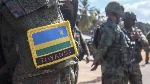
US sanctions Rwanda's military and top commanders over fighting in DR Congo
23:16