
Rwanda shuts thousands of churches over regulatory breaches
General News
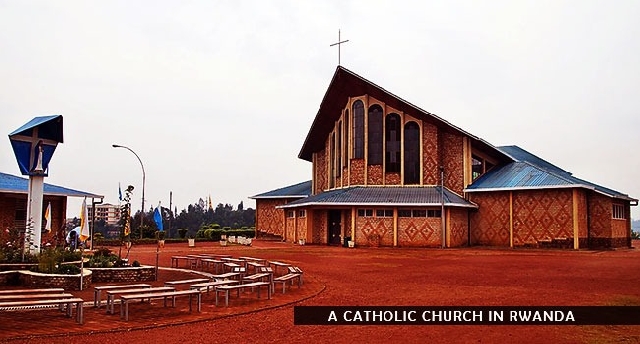 Rwanda churches shut down
The Rwandan government has closed thousands of churches nationwide as part of a strict enforcement of the country’s 2018 religious regulation law, citing widespread non-compliance with safety, registration and governance requirements.
The shutdown has affected numerous Christian denominations, particularly independent and evangelical churches, significantly reshaping Rwanda’s religious landscape.
Under the law, which is enforced by the Rwanda Governance Board (RGB), all faith-based organisations are required to formally register, operate from approved structures that meet safety standards, and ensure that religious leaders possess recognised theological training.
Authorities say the measures are intended to protect worshippers, promote accountability and curb the unchecked growth of unregulated places of worship.
Speaking on the Ghana Yensom morning show on Accra 100.5 FM, correspondent Seth Akotia, reporting from Uganda, said President Paul Kagame has openly defended the crackdown.
According to him, the President argues that many of the mushrooming churches have exploited followers financially and offered little contribution to Rwanda’s national development agenda.
Mr. Akotia noted that President Kagame has reportedly described some of the affected churches as “a den of bandits,” questioning their relevance to Rwanda’s post-genocide recovery and long-term development.
Reports indicate that more than 10,000 churches have been closed since enforcement intensified, with smaller Pentecostal and independent ministries bearing the brunt of the action.
Earlier phases of the exercise had already led to the closure of over 5,600 churches, while inspections remain ongoing.
According to the report, mosques have largely not been affected by the closures, although Christian institutions account for the vast majority of shutdowns.
Government officials maintain that freedom of religion is guaranteed under Rwanda’s constitution, stressing that religious practice must comply with national laws and public safety standards.
They insist the closures are not intended to suppress worship, but rather to address non-compliance, including lack of registration and inadequate facilities.
Authorities say churches may reopen once they meet the required conditions.
The enforcement has compelled many worshippers to travel longer distances to attend services at approved churches and has ignited debate over religious freedom and state control.
While some religious leaders and human rights advocates argue that the regulations place excessive pressure on smaller congregations and risk undermining spiritual life, supporters of the policy say the measures are necessary to ensure public safety, ethical conduct and national cohesion.
Source: Classfmonline.com/Cecil Mensah


Trending News

IGP promotes seventeen officers for exemplary service
11:06
Attempt to force delegates to vote in a particularly line, will be fiercely resisted -Bryan campaign to NPP
11:11
AKSA Anwomaso Power Plant connected to national grid to boost electricity supply
13:02
World Bank backs Ghana’s plan to elevate category B and C SHSs
08:48
Ukraine willing to hand over Ghanaians captured as Russian mercenaries – Ablakwa
10:25
Alhaji Seidu Agongo vows to pursue justice for assaulted CMG reporter
08:59
KATH refutes claims of detaining patients over unpaid medical bills
10:58
Tema police intercept over 1,600 parcels of suspected narcotic drugs
10:47
GTEC clarifies UG fee structure for 2025/2026 academic year
12:48
Dr. Apaak meets stakeholders to resolve UG fee hike dispute
06:25
