
FABAG blames high shipping charges for rising cost of business in Ghana
Business
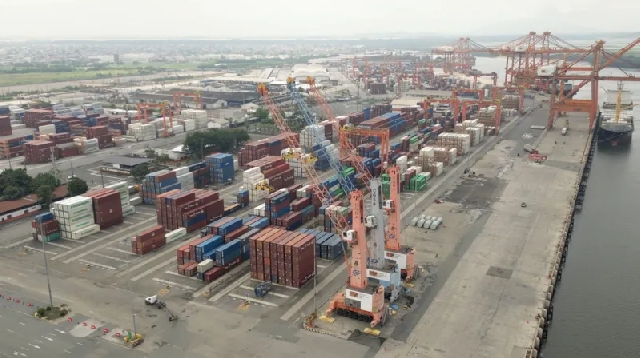 Shipping harbour
The Food and Beverage Industry Association of Ghana (FABAG) has attributed the rising cost of doing business in the country to excessive shipping and port-related charges imposed by international shipping lines.
In a statement, the association said businesses within the food and beverage sector have over the years struggled with what it described as unjustified fees, which continue to increase operational costs and contribute to rising consumer prices.
“For years, businesses in Ghana, particularly those in the food and beverage sector, have borne the burden of excessive port and shipping-related charges, many of which have significantly increased the cost of doing business and contributed to rising consumer prices,” FABAG stated.
According to the association, the situation has compounded existing economic pressures, including inflation, exchange rate instability, high operating costs, and unfair trade competition.
FABAG also expressed support for the Ghana Shippers’ Authority in its efforts to regulate charges within the shipping and logistics sector.
The association criticised reported legal action by some shipping lines aimed at preventing the enforcement of regulatory measures by the Authority.
“We view this action as unfortunate, counterproductive, and detrimental to the broader national interest,” the statement said.
FABAG argued that the Ghana Shippers’ Authority is acting within its legal mandate to promote fairness and accountability in the sector.
“The Ghana Shippers’ Authority, acting within its legal mandate, has demonstrated leadership and commitment in promoting transparency, fairness, and accountability within the shipping and logistics sector,” it added.
The association warned that attempts to challenge the Authority through the courts risk undermining national efforts to improve the business environment and support local industries.
FABAG further stressed the need for transparency and stakeholder consultation in the determination of shipping-related charges.
“Shipping charges and related fees must be transparent, justified, and subjected to proper stakeholder consultation,” the association noted.
It also maintained that the welfare of Ghanaian businesses and consumers should take priority over what it described as excessive profit-driven practices.
“The interests of Ghanaian businesses and consumers must take precedence over excessive profit-driven practices that negatively affect the economy,” the statement added.
FABAG called on government, organised labour, civil society organisations, and trade associations to support the Ghana Shippers’ Authority in ensuring fairness within the shipping and port sector.
The association said it remains committed to advocating policies that protect businesses, jobs, investments, and consumers in Ghana.
Source: classfmonline.com


Trending Business

Dr Gideon Boako links Bank of Ghana losses to Cash Reserve Ratio policy changes
12:32
IMF raises concerns over BoG’s Domestic Gold Purchase Programme
16:57
Trade Ministrer leads high-level mision to advance industrial and agribusiness transformation in China
11:05
IMF commends Ghana’s economic recovery, warns of risks as new reform programme nears agreement
16:43
BoG says eCedi project still ongoing, focused on cross-border use
20:03
Ghana bids farewell to IMF ECF programme, shifts to policy coordination instrument
12:41
BoG retains policy rate at 14%
19:49
GIPC CEO calls for stronger investor confidence in West Africa’s oil and gas sector
14:19
Linking pay to productivity is not meant to punish workers – Fair Wages CEO
17:28
NHIA pays over GHS157 million in claims to health facilities nationwide
10:25