
GNPC and partners commit over $3.5b to boost oil and gas production
Business
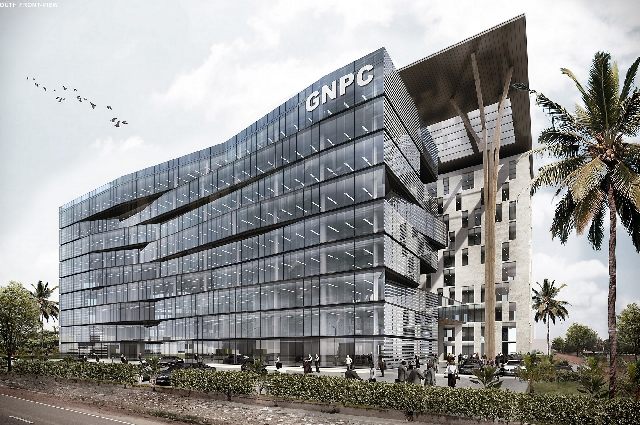 GNPC
GNPC
The Ghana National Petroleum Corporation (GNPC) and its partners have committed more than $3.5 billion in investments aimed at increasing oil and gas production as Ghana seeks to strengthen energy security and meet rising demand.
Speaking at the West Africa Gas Summit (WAGS) 2026 in Accra, Deputy Chief Executive Officer for Finance, Commercial and Administration at GNPC, Hamis Ussif, said partners in the Jubilee and TEN fields have committed $2 billion by 2028 to boost oil and gas output.
He added that Sankofa partners have also committed an additional $1.5 billion to increase gas production.
“We are working with the Jubilee and TEN partners to increase investment. They have committed to $2 billion investment by 2028 to increase both oil and gas production. We are doing the same with the Sankofa partners where they have committed $1.5 billion to also increase gas production mainly,” he said.
Mr. Ussif cautioned that despite the planned investments, Ghana may still face a widening gap between gas supply and demand in the coming years.
He projected that demand could reach about 840 million standard cubic feet per day by 2030, rising to one billion cubic feet per day by 2036.
According to him, domestic production and imports from Nigeria alone would not be sufficient to meet future demand, making additional supply sources necessary.
“From our projections, we can’t meet this from domestic production, nor even with imports from Nigeria. That’s why we are working with partners to import LNG,” he said.
He disclosed that GNPC is advancing work on an LNG import terminal in Tema, which is about 95 per cent complete. The facility is expected to supplement domestic supply and support demand across the sub-region.
“We will import the LNG and then be able to feed the demand in Ghana, but also to feed demand in the sub-region,” he added.
Mr. Ussif said the investments form part of broader efforts to ensure reliable gas supply for power generation, industrial growth and Ghana’s goal of becoming a regional energy hub.
Source: classfmonline.com


Trending Business

Government statistician projects inflation decline ahead of harvest season
01:44
GNPC and partners commit over $3.5b to boost oil and gas production
01:20
NPA reduces petrol, diesel and LPG price floors for second June pricing window
01:17
GOIL PLC holds 57th Annual General Meeting in Accra
09:18
TOR explores global energy partnerships at 2026 Calgary Energy Show
07:24
ROCK AFRICA donates modern tanker drivers’ rest facility to BOST Kumasi depot
03:09
Ghana Gas CEO promotes investment opportunities at global energy show in Canada
20:37
Deputy Transport Minister commends MPS for innovation and support for 24-hour economy
12:18
GWYESCO project launched to boost youth and women entrepreneurship
11:26
GPHA and Israeli Ambassador discuss port modernisation and trade cooperation
03:31
