
'Ghana faces GH¢111 billion DDEP repayment burden next 2 years; This is the real Agenda 111' - Ato Forson
News
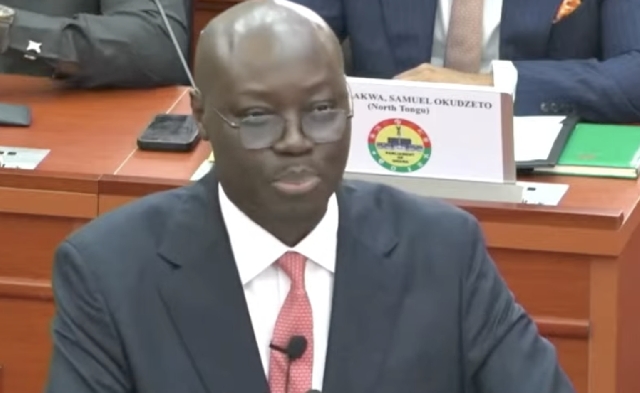 Dr Cassiel Ato Baah Forson, Finance Minister
Finance Minister Dr Cassiel Ato Forson has revealed that Ghana faces a massive domestic debt repayment burden over the next two years with GH¢111 billion in Domestic Debt Exchange Programme (DDEP) bonds scheduled to mature in 2027 and 2028.
Speaking on Thursday, July 23, during the presentation of the 2026 Mid-Year Budget Review in Parliament, Dr Ato Forson said government is already positioning itself to meet the looming obligations through a forward-looking debt management strategy.
Highlighting the scale of the challenge, the Finance Minister told Parliament: "In two years alone, Ghana has to repay GH¢111 billion, 111, Mr Speaker. This is the true Agenda 111 Ghana must deal with."
Dr Ato Forson explained that the heavy repayment burden stems from the structure of the Domestic Debt Exchange Programme, arguing that it was never designed to permanently resolve Ghana's debt challenges.
According to him, the DDEP merely postponed the country's debt obligations rather than eliminating them, shifting the financial burden into the future.
The programme was "not designed to solve Ghana's problems but designed to postpone deliberately and knowingly. Its architect mortgaged tomorrow to survive today", he emphasised.
The Finance Minister stressed that government is taking proactive measures to prepare for the large bond maturities expected over the next two years with the aim of honouring all obligations while preserving fiscal stability.
The DDEP was introduced as part of Ghana's debt restructuring programme to restore macroeconomic stability and secure support under the International Monetary Fund (IMF)-backed economic recovery programme. While the exercise eased immediate financing pressures, it also deferred significant debt repayments to future years.
Dr Ato Forson maintained that prudent debt management and careful fiscal planning will be critical as government works to navigate the upcoming repayment cycle, restore investor confidence and strengthen the country's long-term economic resilience.


Trending News
Judges are in an ‘ambulance mood’ to jail politicians - Atta Akyea
12:30
'Ghana faces GH¢111 billion DDEP repayment burden next 2 years; This is the real Agenda 111' - Ato Forson
14:38
Mid-Year Budget Review: Prices of Okro, fish, garden eggs, others ‘reduced’ - Ato Forson says
21:45
University of Ghana School of Law wins Supreme Court 150th anniversary ‘Moot Court’ competition
17:36
Government announces plan to build 50,000 houses for teachers
13:31
C/R: Forestry Commission condemns eviction of staff over 24-hour Economy market project, calls for justice
10:24
Even if fuel comes to GH¢4 and the dollar is GH¢1 in 2028, NDC will still lose power - Dennis Miracles Aboagye
12:46
Bloggers Association calls for due process, free expression after content creators' arrests
13:39
Mid-Year Budget Review: Why are you not wearing white today? - NPP 1st Deputy Whip queries Majority
16:35
Young man arrested for allegedly selling employer's tricycle and ‘faking’ armed robbery - Crime Check GH
16:54