

Institute of Statistical, Social and Economic Research study says better waste investment could earn Ghana ₵47.9b annually
News
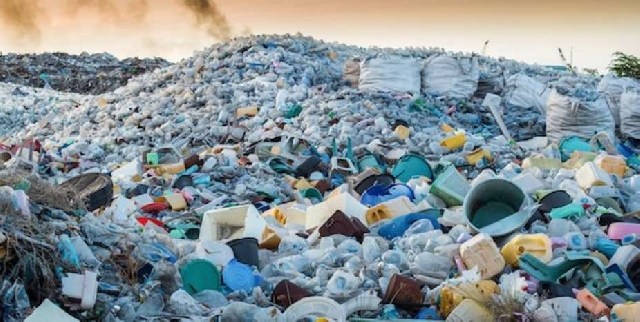 Waste site
Ghana could unlock up to GHS 47.9 billion in annual economic benefits by 2032 if it significantly increases investment in waste management and sanitation, according to a new study by the Institute of Statistical, Social and Economic Research (ISSER).
The report, titled An Economic Analysis of the Benefits of Adequate Investment in Waste Management and Sanitation in Ghana, argues that waste should be treated not as an environmental burden but as a valuable economic resource capable of improving public health, boosting productivity, creating jobs and generating energy.
Speaking at the launch, ISSER Director Peter Quartey said modern systems such as recycling, composting and waste-to-energy infrastructure could transform the sector into a major contributor to national development.
Heavy losses under current system
The study estimates Ghana currently loses more than GHS 6.2 billion each year due to poor sanitation and waste systems. These losses include:
- GHS 5.58 billion in healthcare costs from diseases such as malaria, cholera and pneumonia
- GHS 650 million in lost productivity
- Over 107,000 premature deaths annually
- Nearly 32 million lost work and school days
Despite these costs, all Metropolitan, Municipal and District Assemblies together spend only about GHS 180 million annually on waste and sanitation — roughly GHS 38.78 per tonne.
Big gains with higher investment
ISSER’s “best-case scenario” proposes increasing spending to around GHS 1,028 per tonne, closer to levels in comparable lower-middle-income countries. Under this model, Ghana could see:
- Annual benefits of GHS 47.9 billion by 2032
- Reduced disease burden and healthcare costs
- Higher productivity
- Growth in recycling and compost industries
- Up to 1,484 megawatts of electricity generated from waste
The study also highlights opportunities to convert organic waste into compost for agriculture and recycle plastics, metals and glass to support local manufacturing and a circular economy.
Call for reforms
Researchers recommend stronger financing, expanded sanitation infrastructure, private sector participation and formal integration of informal waste workers who currently operate without protections.
Prof. Quartey said the evidence shows urgent action is needed.
“The economic case is clear. With the right policy choices and sustained investment, waste can shift from being a liability to becoming a strategic national asset,” he said.
The report concludes that maintaining current spending will continue to drain the economy, while decisive reforms could turn waste management into a multi-billion-cedi growth sector.
Source: classfmonline.com


Trending News

GRIDCo management tours Genser Energy’s Prestea gas conditioning plant
22:57
Felix Kwakye Ofosu inaugurates school blocks and CHPS compounds in Abura Asebu Kwamankese
07:23
Accra Mayor launches ‘Birthday Health Screening’ programme to boost preventive care
23:25
DVLA CEO JN Kotey under fire over diaspora service claims; Samuel George offers support
03:51
Patrick Kwame Frimpong re-elected Presiding Member of Kumasi Metropolitan Assembly
14:01
Expert warns Ghana losing irrigation opportunity from Burkina Faso’s Bagré Dam
21:29
Energy Ministry directs ECG to probe 'Usain Bolt' prepaid metres
07:39
EPA to launch pilot water cleaning exercise on Birim River
14:11
Foreign Affairs Minister confirms successful evacuation of Ghanaian embassy staff in Iran
22:45
President Mahama arrives in Tanzania for African Court’s 20th anniversary
06:54
