
Parliament passes Excise Bill 2026 to strengthen tax compliance and modernise customs operations
News
 Parliament House
Parliament has approved the Excise Bill 2026, introducing a new legal framework for the assessment and collection of excise duties on selected locally produced and imported goods.
The legislation also makes provision for the use of Excise Tax Stamps on taxable products as part of efforts to improve compliance and increase domestic revenue.
Beyond excise taxation, the law introduces wide-ranging reforms to Ghana’s customs administration with measures aimed at improving border management and facilitating trade.
Among the major changes is the creation of a dedicated customs control system for extractive products as well as tighter regulation of bonded warehouses and other customs-controlled facilities.
The Bill also establishes a National Single Window System backed by an integrated risk management framework to simplify customs processes, reduce delays and improve efficiency in cross-border trade.
In addition, customs officials will be empowered to access operational and production records where required for regulatory purposes while collaboration among agencies operating at the country’s borders is expected to be strengthened.
The legislation further seeks to address gaps in customs valuation, warehouse administration, transit procedures, post-clearance audits, free zone operations and enforcement.
It also expands the mandate of customs authorities to cover areas such as e-commerce transactions, petroleum-related activities, passenger data management and customs intelligence.
Parliament says the reforms are designed to bring Ghana’s customs regime in line with international standards and the country’s commitments under the World Customs Organization while enhancing revenue mobilisation and improving the overall efficiency of customs operations.
Presenting the Bill in Parliament on Tuesday, July 28, 2026, Deputy Finance Minister Thomas Nyarko Ampem said the new law introduces a graduated excise duty structure for beer and other beverages to encourage manufacturers to increase the use of locally sourced raw materials.
Source: classfmonline.com/Zita Okwang


Trending News

Deputy Energy Minister Richard Gyan-Mensah details Ghana’s $1.47b power sector reforms at APUA meeting
17:54
'My father’s funeral will come on live… go burn the sea if you don’t agree' - Adwoa Safo fumes
19:38
OKAAF Foundation holds maiden donation at Countryside Children’s Home
13:52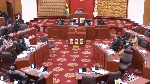
Parliament defers debate on 2026 mid-year budget review to next week July 28
14:52
Mid-Year Budget Review: Ghana collected more taxes in 2025 even after abolishing E-Levy & other nuisance taxes – Ato Forson
18:01
Bawumia and NPP ‘top guns’ storm Nsawam Prison to visit Wontumi
20:00Parliament passes new Customs Bill to boost revenue mobilisation
15:49
‘Businesses are not flourishing’ - Minority blasts gov't for ‘controlling’ spending
16:43
Over 200 VALCO workers protest planned sale of company amid job loss fears
13:48
Ejisu MCE allegedly locks out Assembly members to block a ‘vote of no confidence’ in her
16:34