

Arabic, Chinese not compulsory under revised curriculum – Education Ministry
Education
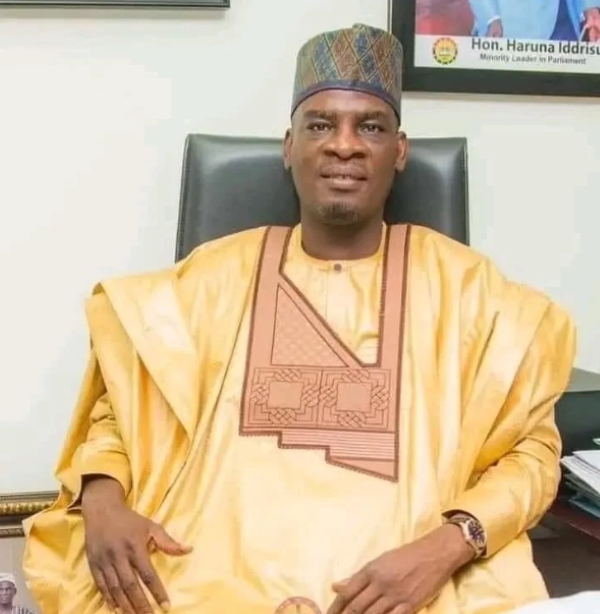 Minister of Education Haruna Iddrisu
The Ministry of Education has clarified that foreign languages, including Arabic, Chinese and French, have not been made compulsory under the proposed revised curriculum for basic schools.
In a statement issued on Saturday, August 2, the ministry said the languages would be offered only as optional subjects for pupils who wish to acquire additional language skills, subject to the availability of qualified teachers and learning resources.
The ministry urged the public to disregard misinformation suggesting that foreign languages have been made compulsory under the proposed curriculum.
Read more below:
2nd August 2026
FOR IMMEDIATE RELEASE
MINISTRY OF EDUCATION CLARIFIES LANGUAGE OF INSTRUCTION POLICY FOR BASIC SCHOOL
1. The Ministry of Education wishes to clarify the Government's language of instruction policy for basic schools following public discussions and misconceptions regarding the use of Ghanaian and foreign languages in the country's education system.
2. In the proposed revised curriculum, Ghanaian languages will serve as the primary medium of instruction from Kindergarten (KG) to Primary Three. This policy is intended to strengthen children's foundational literacy, numeracy, critical thinking, and overall cognitive development by enabling them to learn in a language they understand best during their formative years.
3. From Primary Four to Primary Six, both Ghanaian languages and English will be used as the medium of instruction. This bilingual approach is designed to support a smooth transition to higher levels of education, where English assumes a greater role, while preserving learners' competence in Ghanaian languages.
4. The Ministry further clarifies that foreign languages such as French, Arabic, and Chinese among others are not compulsory subjects. They will be offered as optional languages for pupils who wish to acquire additional language skills, subject to the availability of qualified teachers and learning resources in their respective schools.
5. The language policy is informed by internationally accepted educational practices, which recognise that children learn best when they begin their education in a familiar language before gradually transitioning to additional languages. It also aligns with Ghana's commitment to improving literacy outcomes, promoting multilingualism, and preserving the nation's rich linguistic and cultural heritage.
6. The Ministry urges parents, teachers, school authorities, media organisations, and the general public to disregard misinformation suggesting that foreign languages have been made compulsory in the proposed revised curriculum.
7. The Ministry remains committed to implementing evidence-based education policies that improve learning outcomes and equip every Ghanaian child with the knowledge, skills, and competencies needed to thrive in an increasingly interconnected world.
Signed;
Hashmin Mohammed
Press Secretary to the Hon. Minister
Source: classfmonline.com


Trending News

Ghanaians will not allow state funds to be used for National Cathedral – Kwabena Bobie Ansah
18:22
Social protection needs traditional leaders, not just government - Gender Minister
12:15
Accra–Kumasi Expressway fund to be secured by Dec 31 without borrowing a single pesewa - Ato Forson assures
18:15
Current school placement challenges not a ‘crisis’; stop exaggerating! - Haruna Iddrisu replies Minority Leader
12:06
$2 billion allocated to construct Accra-Kumasi Expressway - Mahama reveals
18:11
Police to use Traffitech to enforce road laws with less human interference from Oct 1
00:27
Attorney General announces Bar welfare fund for lawyers
18:07
Community Service Law will decongest our prisons - POS Foundation boss
23:24
Nana Addo would have used expressway for galamsey – Mahdi Gibrill
17:41
Defend the Constitution at all times - President Mahama urges Supreme Court justices
23:44