

Bagbin surprised by passage of anti-LGBTQ+ bill
News
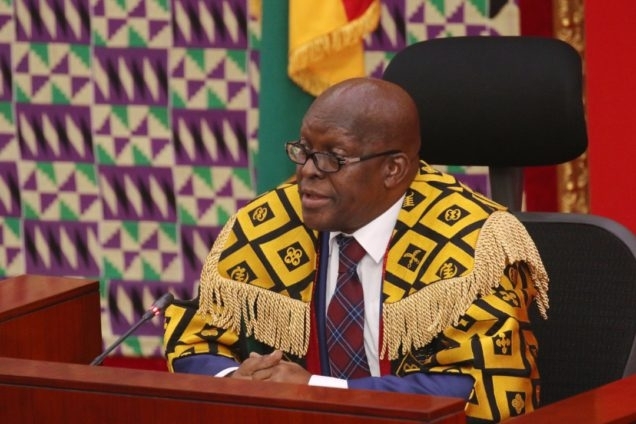 Speaker Alban Bagbin
The Speaker of Parliament, Alban Bagbin, says he was surprised by the passage of the Promotion of Proper Human Sexual Rights and Ghanaian Family Values Bill, commonly known as the Anti-LGBTQ+ Bill, while he was away on official duties.
Speaking on June 1, Bagbin explained that before leaving, he had instructed Parliament to begin consideration of the bill, expecting deliberations to continue beyond Friday, May 29. He said he did not anticipate that MPs would complete all stages of the legislative process and pass the bill before his return. According to him, he only learned of its passage through media reports and later watched the proceedings on television.
Following the development, the speaker said he had summoned parliamentary leaders for discussions to review the process and determine the way forward. He described the legislation as a critical national issue that requires careful handling and broad consensus.
The bill was first introduced in June 2021 by a bipartisan group of MPs led by Sam George. It seeks to prohibit same-sex sexual relations, LGBTQ advocacy, promotion, funding, and related activities. After its first reading in August 2021, it was referred to Parliament’s Constitutional, Legal and Parliamentary Affairs Committee, which undertook extensive consultations with religious groups, traditional authorities, legal experts, academics, civil society organisations, and human rights advocates.
The legislation generated significant national debate, with supporters arguing it protects Ghanaian cultural and family values, while opponents contend it infringes on constitutional and human rights protections.
The bill was previously passed by the Eighth Parliament in February 2024 but lapsed before receiving presidential assent due to constitutional challenges before the Supreme Court and the subsequent dissolution of Parliament. It was later reintroduced in the Ninth Parliament as a private members’ bill and, after further committee consideration, was passed by Parliament on May 29, 2026.
With parliamentary approval completed, the bill now awaits presidential assent before it can become law. Its passage has renewed debate among religious bodies, traditional leaders, human rights groups, development partners, and political actors over its legal, social, economic, and international implications. Bagbin said he hopes discussions on the legislation will proceed through consensus-building among stakeholders.
Source: classfmonline.com


Trending News

Ghana’s Ambassador to Brazil calls Transatlantic Slave Trade “gravest crime against humanity”
14:32
Vice President, First Lady and Muntaka attend funeral rites of Sammy Gyamfi's in-law in Kumasi
08:07
Weija Dam Spillage: MP demands emergency aid for affected communities
15:20
First batch of evacuated Ghanaians from South Africa expected in Accra today
09:11
GFL commends ICJ and ITUC over landmark ruling
06:29
Kofi Adams advocates for free movement across Africa to boost sports development
14:00
Razak Kojo Opoku urges Ntim Fordjour to take note of ‘smuggled clauses’ in Anti-LGBTQ Bill to review when NPP returns to office in 2029
02:01
Weija dam spillage: Ga Mantse, demands arrest of chiefs selling lands in waterways
15:04
Mustapha Ussif rejects Auditor-General’s findings on 2023 African Games GHS579m expenditure
09:05
Ghana Federation of Labour welcomes ICJ ruling affirming workers’ right to strike
05:54
