

Stop teaching our youth to insult! - Agyinasare to politicians
News
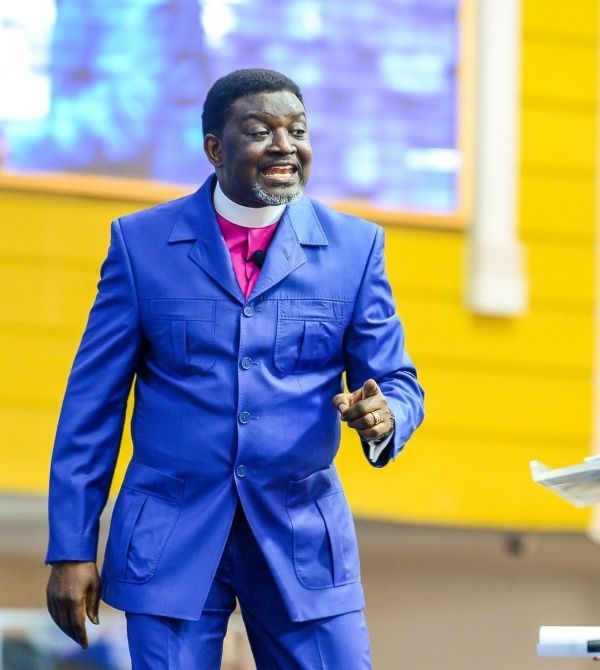 Archbishop Charles Agyinasare
Archbishop Charles Agyinasare has called on Ghanaian politicians and other public figures to stop normalising insults and abusive language in Ghana’s public discourse, warning that such behaviour risks teaching the younger generation that personal attacks are an acceptable way of handling disagreements.
Preaching on the theme “Watch Your Words: The Power and Responsibility of Speech,” Archbishop Agyinasare said political leaders had a particular responsibility to model respectful disagreement because their conduct could influence the wider population.
“Our politicians must stop teaching our populace that it is okay to insult their opponents including elders instead of addressing issues,” he noted.
He said Ghanaian society must reject the growing practice of insulting political leaders, opponents, chiefs, clergy, professionals and ordinary citizens.
The Archbishop noted that political insults had been directed at leaders across different administrations, recalling what he described as “unprintable” insults against former President John Evans Atta Mills, insults during the Nana Addo Dankwa Akufo-Addo administration, and threats and insults directed at former President John Dramani Mahama’s wife.
“This cannot continue,” he stressed.
According to him, political leaders and others in positions of influence have an opportunity to demonstrate that vigorous disagreement does not have to degenerate into personal attacks or humiliation.
He urged politicians to focus their criticism on issues rather than attacking the dignity of their opponents.
“You can disagree without being disagreeable. You can criticise without dehumanising. You can expose wrongdoing without insulting. You can correct somebody without destroying their dignity,” he said.
Archbishop Agyinasare further cautioned against the use of disabilities, physical appearance, family circumstances and vulgar references as weapons during disagreements. He said a person’s blindness, stammer, physical disability, lisp, baldness, height, weight or facial appearance should never be turned into ammunition for insults.
He also condemned threats, sarcasm, malicious innuendo and the spreading of unverified allegations, particularly in an era when social media allows comments and accusations to reach thousands of people within hours.
The Archbishop said political leaders could either inflame or calm the national conversation depending on how they communicated.
“When leaders normalise insults, supporters may imitate them. When leaders demonstrate restraint, disagreement can remain vigorous without becoming dehumanising,” he said.
He stressed that politics should not destroy the humanity of citizens, noting that people could belong to different political parties, disagree strongly on policies, criticise decisions and demand accountability while still recognising one another as fellow citizens and human beings.
He also challenged journalists, broadcasters, bloggers and social-media commentators to examine the impact of their words by asking whether they were informing or inflaming, educating or humiliating, and criticising issues or attacking human dignity.
The Archbishop urged the public to think before speaking, posting, forwarding or replying, and to consider whether what they were saying was true, necessary, gracious and edifying.
He concluded with a call for a change in the language used in Ghanaian politics and public life.
“We can disagree without disrespect. We can criticise without contempt. We can correct without cruelty. We can speak truth without abandoning grace,” he said.
Quoting Proverbs 18:21, he reminded his listeners that “death and life are in the power of the tongue,” urging them to use their words to give life rather than tear others down.
Source: classfmonline.com


Trending News

Fair Wages and Salaries Commission engages striking teachers over service conditions
21:43
President Mahama donates relief items to Hohoe flood victims
00:31
Abirem MP donates 43 mowers to end school grounds weeding and keep pupils in class
15:41
'I am the right person to unite the party': Ashanti NDC Chairman seeks another term
18:59
Bawumia highlights NDC's ‘scam’ promises to Ghanaians
19:36
Prophet Brampa kicks against Ho Stadium use for Momofest
12:38
'Stop insulting people with their disability, private parts, sexuality, looks' – Agyinasare
18:56
It's only meant to intimidate him - Bawumia condemns Manhyia MP’s arrest and detention by EOCO
19:34
Fire guts Avenor; 2 persons feared dead
12:33
Stop teaching our youth to insult! - Agyinasare to politicians
21:44