

BOG Governor outlines plan to turn remittances into investment capital
Business
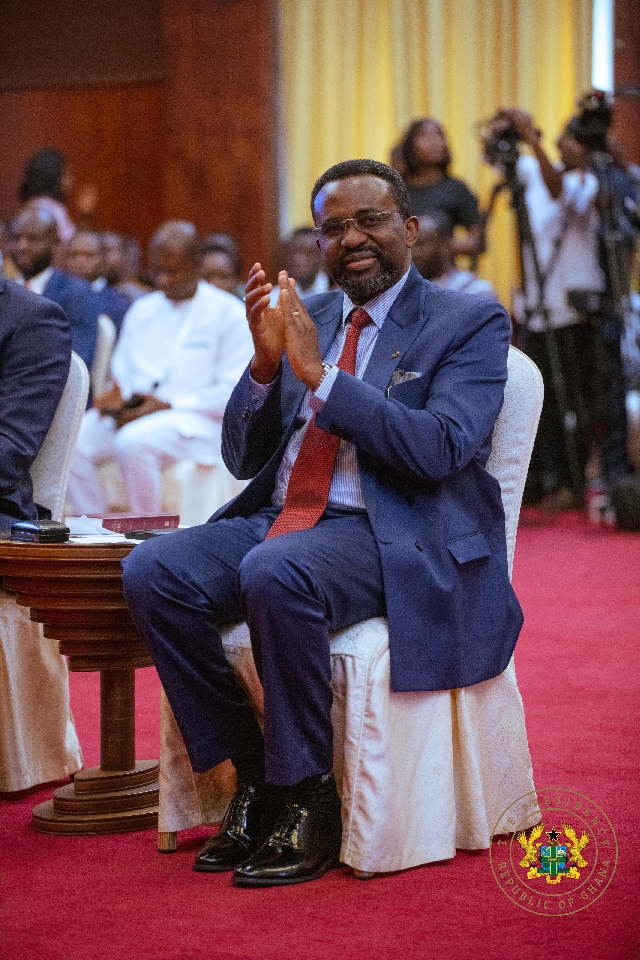 The Governor of the Bank of Ghana (BoG), Dr Johnson Asiama
The Governor of the Bank of Ghana (BoG), Dr Johnson Asiama, has announced a new strategy to transform money sent home by Ghanaians abroad from personal consumption into long-term investment capital.
Speaking at the "Remit2Invest" Diaspora Roundtable in Virginia, USA, Dr Asiama stated that the central bank is working with government ministries to create structured pathways for these funds. The goal is to move beyond simple transfers for daily expenses and toward "patient capital" that can fund infrastructure, SMEs, and other productive sectors.
Remittances vs. foreign investment
Data shared at the event highlighted the massive scale of these inflows:
- 2025 Estimates: Remittances reached approximately $7.8 billion, nearly triple the $2.5 billion recorded in Foreign Direct Investment (FDI).
- 2024 Figures: Ghana recorded $4.6 billion in remittances, accounting for roughly 6% of the nation’s GDP.
Dr Asiama noted that these figures prove the diaspora is no longer peripheral to the economy but is now a "cornerstone" of Ghana's external stability.
New policy measures
To support this shift, the Bank of Ghana is implementing several measures:
- Structured Products: Exploring diaspora bonds and foreign-currency-denominated investment vehicles.
- Digital Innovation: Using fintech, blockchain, and tokenization to lower the cost of sending money and improve transaction security.
- Formal Channels: Strengthening transparency in the foreign exchange market and improving data reporting.
The Governor explained that Ghana is modeling its approach after countries like Kenya, the Philippines, and Mexico, which have successfully integrated diaspora capital into national development plans.
Economic outlook
Dr Asiama also provided an update on Ghana’s broader economy, citing improving inflation trends and a resilient cedi. He credited these gains to tight policy management and a strengthened reserve position, assuring the diaspora that the country's macroeconomic framework is stable enough to support their investments.
"We must treat the diaspora as domestic investors abroad, not just external senders," Dr Asiama concluded.
Source: classfmonline.com


Trending Business

Ayariga calls for an end to ‘monopoly’ in digital lottery sector
16:53
GUTA backs new container charge cap introduced by Ghana Shippers’ Authority
10:32
GIPC showcases Ghana as key investment hub at Global Trade Forum in Philadelphia
04:01
BOSTEnergies faces GHS40 million monthly loss after Diesel margin suspension
02:46
Importers back implementation of CAC on May 1
02:34
SIC Insurance MD engages staff at Elubo office during regional tour
16:01
Fisheries Ministry validates draft blue economy policy to drive sustainable growth
07:55
GIPC urges diaspora to channel investments into structured ventures
03:37
Moses Baiden urges Ghanaian businesses to strive for global standards
04:12
WLGA delegation visits NPA, commends Ghana’s gas sector progress
01:43