

Oil supply disruptions unprecedented, could force Gulf producers to cut output by 60% – COMAC CEO
Business
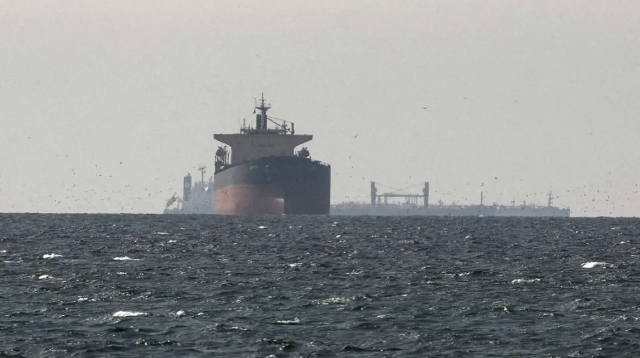 Strait of Hormuz
The Chief Executive Officer of the Chamber of Oil Marketing Companies (COMAC), Dr Riverson Oppong, has described the current disruptions to major global oil supply routes as unprecedented, warning that they could have serious consequences for global energy supplies.
Speaking on Channel One TV’s The Point of View on Monday, September 14, Dr Oppong said the disruption of crude oil flows through the Strait of Hormuz, combined with attacks affecting other major supply sources, was putting significant pressure on oil producers.
“Never ever have we experienced such an outlook ever in history, where two major sources, the Caspian source and the Strait of Hormuz, or the Gulf source, have both been attacked,” he said.
He said the disruptions could soon leave Gulf producers with limited options for storing crude, forcing them to reduce production by as much as 60%.
“Very soon, the Gulfians are going to reduce crude oil production by 60%. They have no choice because they’re going to produce, they’re not going to have any place to store it because of this shutdown,” he said.
Dr Oppong said the situation had also affected refinery operations in the Middle East, with diesel production declining.
“The refinery throughput today in the Middle East has shortened by 110. So it tells you that even diesel production within the Gulf itself has shrunk with the September data we are gathering now,” he said.
He further warned that disruptions to Russian diesel and petrol flows were adding to the pressure on global energy supplies.
The Strait of Hormuz is a major route for the movement of crude oil and liquefied natural gas. Disruptions to the route, together with attacks on Saudi oil infrastructure and other supply routes, have tightened global supply and pushed oil prices higher.
Dr Oppong said the combined disruptions could have serious consequences for countries that depend heavily on imported petroleum products, including Ghana and other African countries.
Source: classfmonline.com


Trending Business
Oil supply disruptions unprecedented, could force Gulf producers to cut output by 60% – COMAC CEO
04:58
Ghana risks losing import trade to Abidjan as port congestion worsens – IEAG
17:37
Fuel prices set to rise sharply from September 16 — COPEC
23:10
Ghana targets annual tomato production of 400,000 tonnes with launch of GHATSI
16:24
State-controlled enterprises lag behind private sector in profitability – Eric Bonsu Agyabeng
17:22
Govt tells shipping firms to collect GH¢720 port charge before further talks as container volumes surge nearly 100%
05:40
We've not made a decision yet on public transport fare increase — GPRTU, GRTCC
05:22
First National Bank Accra Marathon brings back full race for 2026
23:06
Ghana’s economy grows by 6% in Q2 2026
19:05
IEAG engages Ghana Maritime Authority fact-finding team on Tema Port congestion
01:06