
World Bank credits BoG for cedi's 2025 rebound, but flags lingering FX pressures
Business
 Cedis
Cedis
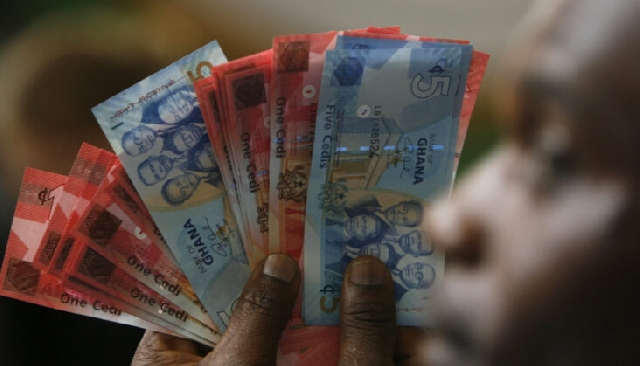
The World Bank says Bank of Ghana's foreign exchange interventions were central to the cedi's sharp turnaround in 2025, even as it cautions that underlying pressures in the currency market have not been fully resolved. A Strong Rebound, But Not a Clean One
In its 10th Ghana Economic Update, the Bank noted that the cedi's real effective exchange rate appreciated by 28% in 2025, while the nominal effective exchange rate rose by 26%. An external sector assessment cited in the report found Ghana's current account and exchange rate broadly in line with economic fundamentals, taking into account the country's position as a commodity exporter and the scale of the appreciation.
But the rally came with side effects. The World Bank said the sharp rise in the cedi's value during the second quarter of 2025 created exchange rate uncertainty, widening the gap between the official and parallel-market rates. That premium averaged 12.4% between June and December 2025 — evidence, the Bank said, of persistent imbalances in the foreign exchange market despite the broader currency gains.
In response, the Bank of Ghana introduced a comprehensive Foreign Exchange Operations Framework in November 2025, aimed at improving transparency in its FX operations, strengthening reserve accumulation, and curbing excessive volatility.
Some Ground Given Back in 2026
The World Bank noted that the cedi's 2025 strength was followed by depreciation in 2026. After appreciating by roughly 29% against the US dollar between January and December 2025, the currency depreciated by 8.1% in the year to June 2026 — driven mainly by rising foreign exchange demand from the energy sector and dividend payments by some private corporations, even as strong FX inflows from Ghana's trade surplus continued.
The Bank of Ghana has described this as normal volatility under the country's managed floating exchange rate regime, with the new FX operations framework serving as its anchor.
There was better news on the parallel market: as the cedi stabilised into early 2026, the premium between official and parallel rates narrowed to an average of 8.1% in the year to June 2026, down from 12.4% in the second half of 2025. Still, the World Bank said the premium remains elevated, signalling that pressures in the foreign exchange market haven't been fully eliminated.
The World Bank's Verdict
Taken together, the findings point to a currency that has swung sharply in both directions within roughly a year — appreciating steeply, easing imported inflation and improving the broader macroeconomic picture, before giving back some of those gains as seasonal demand and corporate outflows resurfaced.
The World Bank's overall assessment: the cedi's turnaround has been significant, but sustaining it will depend on continued policy credibility, stronger reserve buffers, and effective management of ongoing foreign exchange market pressures.
Source: classfmonline.com


Trending Business

GH¢19.8bn Profit: Ghana’s State Enterprises stage major comeback in 2025
13:33
Ghana to issue new 4-year Treasury Bond in September 2026
22:09
Currency misuse: BoG warns against money spraying, money bouquets
08:03
Ghana Gas CEO courts African leaders, investors to accelerate investment in gas infrastructure
17:27
GSE ranked Africa’s best-performing exchange, projected to close 2026 with 81% return – Databank
07:06
World Bank credits BoG for cedi's 2025 rebound, but flags lingering FX pressures
01:35
President Mahama dissolves Boards of BOST, VALCO and 7 other State institutions
16:16
Perseus Mining pays ¢391 million dividend to Ghana, up from $5 million
03:50
Ghana takes global business stage as GEF forum connects entrepreneurs, investors and diplomats
23:17
First National Bank’s Investment Gift Cards out now to give Ghanaians a new way to gift a brighter future
19:47
