
Public sector wages dominate spending, strain Ghana’s finances — Ato Forson shows
News
 Dr Cassiel Ato Baah Forson
Finance Minister Dr Cassiel Ato Forson has revealed that compensation for public sector workers continues to dominate Ghana’s government expenditure, placing significant pressure on other critical areas of spending.
Speaking during a dialogue with Organised Labour at the Jubilee House in Accra on Tuesday, March 17, Dr Forson said, “Compensation of Ghana’s employees is currently the largest share of government expenditure.
“Of the total government expenditure, employee compensation accounts for 39%, debt service accounts for 32%, and grants to other government units account for 29%.”
He explained that the high wage bill has created a crowding-out effect, limiting spending on goods, services, and development projects.
“While we spend 33% of our compensation budget on wages, only three per cent goes to goods and services, and capital expenditure represents just six per cent of total expenditure. Social benefits make up only one per cent, and statutory grants to other government units are about 24%, while debt service accounts for 26%,” Dr Forson detailed.
Highlighting the fiscal weight of wages, he added, “At the end of the 2025 fiscal year, the compensation budget accounted for 44% of non-oil tax revenue, 5.6% of GDP, and 33.78% of total expenditure.
“These figures show the significant burden that employee compensation places on our national finances.”
Dr Forson noted that the rising wage bill has implications not only for fiscal management but also for the government’s ability to invest in infrastructure, education, healthcare, and other priority sectors.
“The reality is that as much as we are committed to supporting public sector workers, we must also ensure that other areas of the economy are not starved of resources,” he said.
He emphasised the need for careful financial planning and reforms aimed at improving efficiency and accountability in the public sector.
“Our goal is to strike a balance between fairly compensating workers and freeing up resources to invest in projects that drive national development,” Dr Forson stated.
The finance minister’s comments come amid ongoing discussions between government and organised labour, as stakeholders seek sustainable solutions to the challenges posed by the country’s high wage bill and broader fiscal pressures.
Source: classfmonline.com/Pearl Ollennu


Trending News

Public sector wages dominate spending, strain Ghana’s finances — Ato Forson shows
23:31
Gov't, JICA strengthens collaboration to eliminate child labour beyond cocoa sector
10:11
Refugee registration exercise expands to Western and Volta regions
14:54
Transport Minister, Deputy visit NRSA, inspect Traffitech road enforcement system
05:59
Ghana Embassy in Doha requests details of citizens affected by Qatar airspace closure
09:01
Shatta Wale demands apology from EOCO over Lamborghini seizure
11:51
NHIA urges private health insurance brokers to uphold ethical standards
15:57
BE/R: 3 arrested over murder of Abamba Queenmother
01:14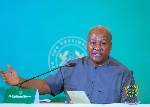
Ghana spent over $8b on energy sector losses in 9 years — Mahama raises concern
23:24
Minority urges Govt to clear tuition arrears for Ghanaian students in UK
18:34