
Ghana Medical Association confirms overcrowding incident at KBTHEmergency Centre
Health News
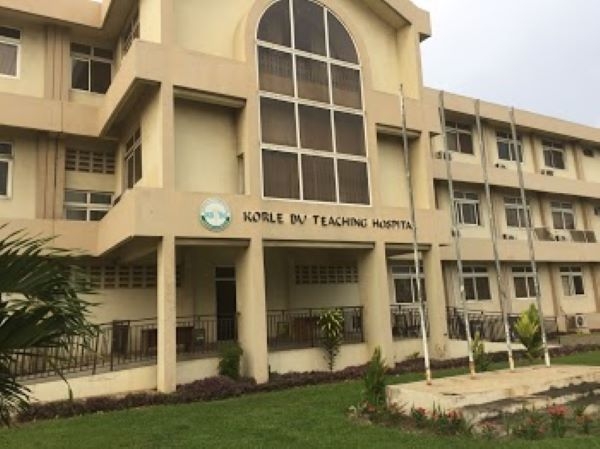 Korle Bu Teaching Hospital
The Ghana Medical Association (GMA) has confirmed that the recent overcrowding incident at the Accident and Emergency Centre of Korle Bu Teaching Hospital did occur, contrary to suggestions that widely circulated footage of the situation could have been artificially generated.
In a statement, the Association said it had taken note of a video showing patients receiving care while seated on chairs and on the floor at the facility. It also referenced a response from hospital management that suggested the footage may have been AI-generated.
However, the GMA indicated that checks conducted at the facility, as well as an eyewitness account from a patient’s relative reported on Joy News, confirmed that the incident was real.
The development comes after the Chief Executive Officer of the hospital reportedly stated during a visit by the Minister of Health on March 21, 2026, that no patients had been placed on the floor and that the video could be misleading.
According to the GMA, the situation at Korle Bu is not isolated but reflects a recurring challenge across several health facilities during periods of high patient inflow. The Association noted that in such surge situations, health workers are sometimes compelled to manage patients on trolleys, chairs, and occasionally on the floor due to limited bed capacity and space constraints.
The GMA further suggested that recent administrative directives by hospital management and the Ministry of Health may have contributed to an increase in patient admissions beyond the operational capacity of the emergency centre.
It warned that issuing directives without a comprehensive assessment of capacity could pose risks to patient safety and the quality of care, despite efforts to address congestion.
To address the situation, the association proposed several measures, including the introduction of a digitised intra-hospital bed management system, improved surge planning, and strengthening of logistics, equipment and human resource capacity.
It also called for improved coordination among health institutions, including the Ministry of Health, the Ghana Health Service, mission hospitals, and private facilities, to ensure timely response to emergencies.
The GMA further recommended retooling nearby facilities such as Ussher Hospital, Mamprobi Polyclinic and Kaneshie Polyclinic to help manage patient spillovers, as well as establishing a back-referral system for stable patients.
Additional proposals included real-time bed tracking across emergency rooms in Accra, improved pre-arrival coordination between referring facilities and the National Ambulance Service, and the creation of a national emergency command centre to monitor bed availability, ambulance deployment and congestion levels.
The Association also called for an urgent inter-agency meeting involving key stakeholders, including the Ghana Health Service, the Christian Health Association of Ghana (CHAG), the National Health Insurance Authority, private healthcare providers and professional bodies, to develop long-term solutions.
In the long term, the GMA emphasised the need to strengthen district and regional hospitals through improved equipment, logistics, human resource capacity, specialist outreach and telemedicine services to reduce the pressure on major referral centres.
The association said it remains ready to work with the Ministry of Health and other stakeholders to improve emergency preparedness and ensure safe and timely care across the country’s health system.
Source: classfmonline.com


Trending News

N/R: Police arrest 77 suspects in Tamale and Savelugu anti-drug operation
00:32
Energy Minister engages World Bank to deepen sector reforms
06:42
President Mahama calls for unity, urges Ghanaians to shun division and intolerance
14:57
VP Prof NJOA donates food items to Muslim Council ahead of Ramadan
11:54
NPP would win majority if elections were held today: Alexander Afenyo-Markin
16:54
Parliament passes Value for Money Bill
16:56
Ghana Medical Association calls for National Emergency Command Centre amid hospital congestion concerns
23:42
MP's support boosts muslim community project after Ramadan
06:30
Vice President Opoku-Agyemang joins Muslims to celebrate Eid, calls for unity
14:39
GYF urges presidential intervention over youth funding gaps in DACF allocation
10:48
