
Economic recovery driven by deep structural reforms, not superficial, Finance Minister says
Business
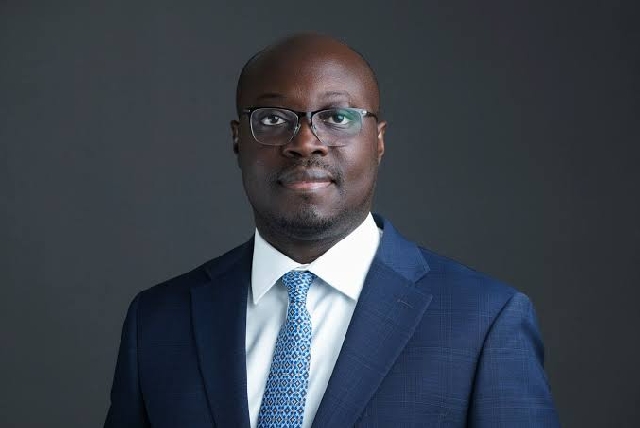 Ghana’s Finance Minister, Dr Cassiel Ato Forson
Ghana’s Finance Minister, Dr Cassiel Ato Forson, has told international investors that the country’s economic recovery is real and based on structural reforms rather than short-term measures.
Speaking to investors on the sidelines of the IMF/World Bank Spring Meetings, he said recent economic gains are the result of deliberate policy decisions and legal reforms.
“These are not cosmetic gains,” he said. “They are outcomes of well-thought-through reforms, backed by laws and disciplined implementation.”
He outlined several fiscal reforms introduced to stabilise the economy and restore investor confidence. These include a reduction in the size of government from 123 to 60 ministers and tighter spending controls across Ministries, Departments and Agencies through a mandatory commitment authorisation system.
He also cited amendments to the Public Financial Management Act, introducing fiscal rules including a 1.5% primary surplus target and a 45% debt ceiling.
To improve oversight, government has established a Fiscal Council and an Office of Value for Money to reduce waste and improve public spending efficiency.
Other reforms include changes to statutory funds to align spending with national priorities, and amendments to the Petroleum Revenue Management Act to prioritise infrastructure investment.
On revenue, he mentioned tax administration reforms, including changes to VAT, customs systems, and the revenue refund process to reduce leakages and improve domestic revenue mobilisation.
In the mining and petroleum sectors, royalties have been restructured to support infrastructure financing. The energy sector has also seen reforms, including a cash waterfall mechanism to improve financial flows.
Additional measures include payroll audits, programme rationalisation to reduce duplication, restructuring of COCOBOD to improve efficiency, and expansion of social protection programmes.
Dr. Forson said macroeconomic indicators are also improving, with growth exceeding expectations, inflation declining, and the cedi strengthening. He attributed this to fiscal consolidation, tight monetary policy, and stronger exports of gold and cocoa.
He added that Ghana’s external position has improved, with higher international reserves under the IMF-supported programme.
He also cited falling domestic and Eurobond yields, sovereign rating upgrades, and progress in debt restructuring as signs of renewed investor confidence. He said Ghana is up to date on its debt service obligations.
Investors at the meeting reportedly welcomed the reforms and praised Ghana’s progress in stabilising the economy.
Dr. Forson said government will continue to maintain fiscal discipline and deepen reforms to sustain recovery and strengthen confidence in the economy.
Source: classfmonline.com


Trending Business

New Juaben North: 30 farmers receive 6000 palm seedlings
09:04
GFZA engages apparel manufacturers to address trade challenges
17:15
Ghana to lose estimated revenue of about GHS422 million monthly as a result tax cut on petroleum products- CEMSE
16:50
Kumasi traders threaten protest over delayed Kejetia Market project
14:47
Think tanks propose ¢1.65 fuel price reduction to ease cost pressure
14:45
A/R:Traders in Kumasi protest over dustbin installation at CBD
13:26
Ghana, World Bank deepens cooperation at Spring Meetings
07:48
Dr Otokunor highlights potential of large-scale irrigated agriculture
06:11
MoFA signs landmark agreement with Sentuo Group to boost agro-industrial transformation
14:19
Greater Accra Minister Launches prime Accra project to boost urban develoment
12:34
