

Parliament passes Human Sexual Rights and Family Values Bill, 2025
News
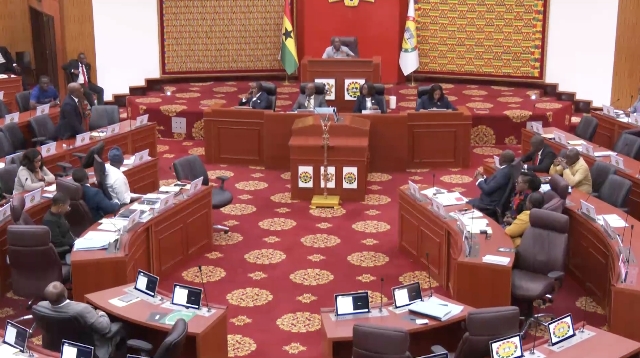 Parliament of Ghana
Parliament has finally passed the Human Sexual Rights and Family Values Bill, 2025, widely referred to as the anti-LGBTQ bill, following extensive debate and the adoption of several amendments.
The revised legislation seeks to outlaw LGBTQ-related activities in Ghana but introduces exemptions for some categories of individuals and institutions carrying out professional duties.
Under the amended provisions, lawyers who offer legal counsel or representation to persons identified as LGBTQ will not face prosecution under the law.
Media practitioners and news organisations covering LGBTQ-related developments as part of their journalistic responsibilities are also protected from sanctions. In addition, healthcare workers, including doctors, psychologists and counsellors providing medical or mental health support to LGBTQ persons, are exempt from punishment.
The Minority Caucus opposed the amendments during deliberations, contending that the changes expose weaknesses in the earlier version of the bill that was forwarded to former President Nana Addo Dankwa Akufo-Addo for assent.
Despite the objections raised by the Minority, the House proceeded to pass the bill on Friday, May 29, 2026.
Background
The Human Sexual Rights and Family Values Bill has become one of the most contentious legislative proposals in Ghana in recent years. The legislation was introduced to reinforce existing restrictions on same-sex relations and to prohibit activities linked to LGBTQ advocacy, promotion and sponsorship.
Although Ghana’s Criminal Offences Act already criminalises what is described as “unnatural carnal knowledge,” a provision commonly interpreted to include consensual same-sex relations, proponents of the bill maintained that the law did not adequately address LGBTQ activism, campaigns and financial support.
The bill was first laid before Parliament in 2021 as a private members’ bill spearheaded by Sam George and backed by lawmakers from both sides of the House.
It received strong support from several religious bodies, traditional authorities and conservative groups who argued that the legislation was necessary to safeguard Ghanaian cultural and family values.
The initial draft proposed severe penalties for same-sex relations, LGBTQ advocacy, the establishment or funding of LGBTQ groups, public displays of same-sex affection and content viewed as promoting LGBTQ rights.
As debate intensified, the legislation attracted both local and international criticism. Human rights organisations, legal experts and civil society groups argued that parts of the bill conflicted with constitutional rights, including freedom of speech, association and equality before the law.
Some foreign governments and international organisations also warned that passage of the bill could affect Ghana’s global reputation and relations with development partners.
In February 2024, Parliament passed the original version of the bill and transmitted it to former President Akufo-Addo for consideration. However, the President withheld assent as legal challenges emerged at the Supreme Court over the constitutionality of the legislation and the process leading to its approval.
Petitioners questioned whether Parliament had complied with constitutional procedures, especially regarding the financial implications of private members’ bills.
The legal disputes delayed the bill from becoming law.
Parliament revisited the legislation in 2025, introducing fresh amendments before approving it again on Friday.
Supporters of the latest changes argued that the exemptions were necessary to protect constitutional freedoms and ensure professionals could perform their duties without fear of prosecution.
Parliament’s Constitutional, Legal and Parliamentary Affairs Committee had earlier engaged various stakeholders, including religious organisations, academics, lawyers and civil society groups, as part of consultations on the bill.
With Parliament now approving the amended legislation, attention is expected to shift to presidential assent and any further legal action that may arise.
The Human Sexual Rights and Family Values Bill continues to divide public opinion in Ghana, drawing strong reactions from religious groups, politicians, rights advocates and members of the international community.
Source: Classfmonline.com/Zita Okwang


Trending News

Weija dam spillage: Ga Mantse, demands arrest of chiefs selling lands in waterways
15:04
Mustapha Ussif rejects Auditor-General’s findings on 2023 African Games GHS579m expenditure
09:05
Ghana Federation of Labour welcomes ICJ ruling affirming workers’ right to strike
05:54
Energy Minister John Jinapor forecasts rebound in Ghana’s petroleum production following 5-year decline
04:40
Accra hosts Landfills2Landmarks Summit on sustainable textile trade
09:57
Greater Accra Minister orders MMDCEs to intensify flood, sanitation operations
13:35
Attacks on President Mahama Must Cease, Ghana’s High Commissioner Warns South Africans
05:43
ICJ rules workers’ right to strike protected under ILO Convention No. 87
05:43
Ghana Meteorological Agency warns of heavier rainfall and increased flooding ahead of June peak
04:28
Interior Minister highlights Ghanacard as cornerstone of national development at NIA 20th anniversary launch
09:47